more than a fashion show: omg franck, AUDa, and what makes a creative platform matter
Last week, ELS (EdieLouStudio) had the opportunity to present The Moon Is Down - inspired by John Steinbeck’s novel of the same name - at OMG Franck in Basel alongside seven other designers. Organized by AUDA, the event brought together fashion, art, music, and a diverse creative community under one roof. At first glance, it may appear to be simply another fashion show. But it wasn’t. What made the experience remarkable was not simply the opportunity to present a collection. In an industry where emerging designers often struggle to gain meaningful visibility, AUDA and OMG Franck created something rare: a platform designed not only to showcase brands, but to create ecosystems in which designers, photographers, stylists, artists, journalists, buyers, and potential customers can interact within a shared space. These encounters facilitate the exchange of knowledge, resources, and social capital, all of which are critical for the development of all emerging creative businesses.
From a business perspective, visibility remains one of the most significant barriers facing independent brands. Customers cannot engage with products they do not know exist, and buyers cannot evaluate brands they never encounter - obviously. Shared platforms lower this barrier by aggregating audiences and creating opportunities for discovery. In economic terms, they reduce the costs associated with market entry while increasing exposure to potential customers, collaborators, and industry professionals. So, equally important is the role these platforms play in network formation. Research across creative industries consistently demonstrates that professional relationships are a key determinant of long-term success. Collaborations, retail opportunities, editorial features, and future projects frequently emerge through personal interactions rather than formal channels. In this sense, events such as fashion shows and pop-ups function not only as presentation formats but also as mechanisms for building social and professional infrastructure.

(original picture by Christoph Anton Cornelius Bärtsch © https://www.instagram.com/chrisps_photography/ edited by © Edie Lou)
For emerging fashion brands, the value of these initiatives therefore extends far beyond immediate sales. They provide visibility, facilitate knowledge exchange, strengthen professional networks, and contribute to the development of a broader creative ecosystem In an industry increasingly dominated by scale, digital advertising, algorithmic visibility, and gatekeeper mindset, independent platforms continue to play a vital role in creating space for new ideas, new voices, and alternative approaches to fashion. Let’s face this, emerging fashion brands operate within a structural disadvantage. Unlike established brands, they rarely possess the financial resources, media access, distribution networks, or institutional visibility required to reach broader audiences. As a result, independent designers and all the other creatives, of course, operate within a structural disadvantage and need alternative platforms to gain visibility and build professional networks. The importance of such platforms becomes even clearer when viewed against the realities of the contemporary fashion industry. For most emerging designers, participation in the official fashion week calendars - if a brand aims this - of New York, London, Milan and Paris remains financially challenging. Industry estimates suggest that participation in the official fashion week system can require investments between $500,000 and $ 1 million with some productions exceeding above. And, even for brands with financial backing, visibility is not guaranteed. Access to the industry’s most influential platforms remains shaped by existing networks, institutional recognition, and various forms of gatekeeping. As a result, emerging brands must not only develop strong collections, but also build professional networks and earn industry recognition - which is just as important as creative talent itself.
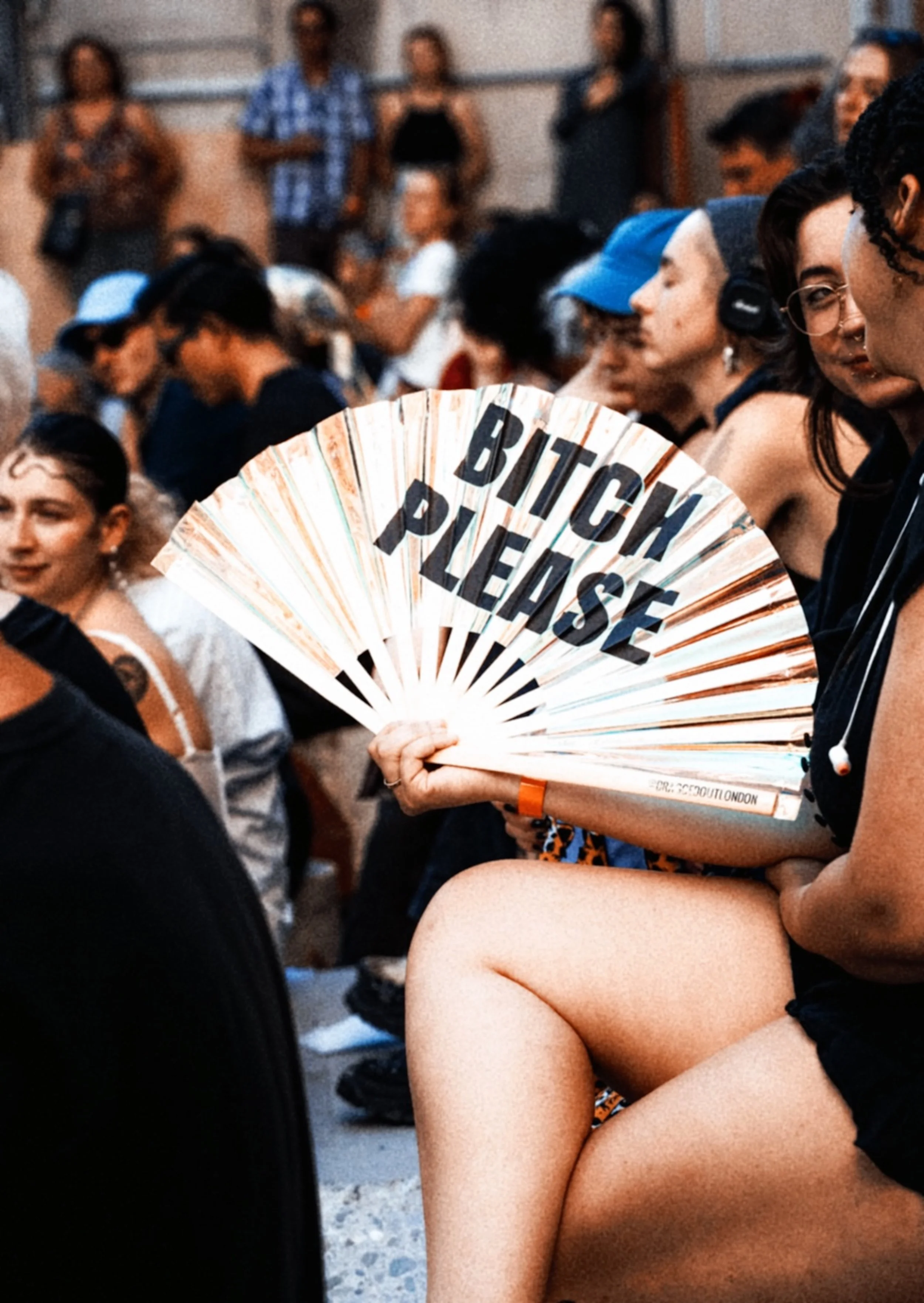
(original picture by Anatoily Katselko © https://www.instagram.com/chrisps_photography/ edited by © Edie Lou)
And while visibility and access are very important, the success of an event is also shaped by less tangible factors. Amy Edmondson, a professor at Harvard Business School, introduced the concept of psychological safety to describe environments in which individuals feel respected, valued, and able to contribute without fear of exclusion or unnecessary hierarchy. Her research demonstrates that trust, transparency, and mutual respect are essential conditions for collaboration and engagement. But just let’s call it atmosphere or good vibes. Whatever the label, the principle remains the same. People are more likely to engage when they feel welcome. They are more likely to start conversations when they feel included. And they are more likely to remember an experience when it leaves them feeling valued rather than intimidated. If you are asking me - the most successful creative environments are rarely those built on hierarchy. They are the ones that make participation feel effortless. This was perhaps the greatest strength of the event organized by AUDA. Throughout the entire process, participants were treated with professionalism, clarity, and respect, while maintaining exceptionally high standards of quality throughout the production. Achieving this balance should not be taken for granted! Coordinating a complex event involving designers, models, hair and make-up artists, technicians, photographers, sound engineers, stylists, sponsors requires considerable organizational skill, communication, and commitment. Maintaining a positive atmosphere and high production standards across such a diverse group is a significant achievement in itself.

(original picture by © Christop Anton Cornelius Bärtsch https://www.instagram.com/chrisps_photography/ edited by © Edie Lou)
Equally important was the broader framework provided by OMG Franck. As a multidisciplinary festival taking place during Art Basel week and situated within the distinctive industrial setting of Franck Areal, the event attracted a diverse audience extending beyond the traditional fashion community. The combination of fashion, art, music, culture, entrepreneurship, and performance generated a dynamic flow of visitors and created opportunities for encounters that might otherwise not have occurred. Together, AUDA, OMG Franck, and Franck Areal provided more than a venue. Something rare. They created an ecosystem in which business, creativity, visibility, human connection could coexist. Filled with great energy, openness, and possibilities, the event became a platform for inspiration, meaningful encounters, and the formation of new relationships - creating opportunities for networking, collaborations, and future projects that extended far beyond the runway itself.
So - a sincere thank you to AUDA, OMG Franck, all the amazing models, and everyone who contributed to making the event possible. Platforms such as these play an important role in supporting emerging artists and strengthening the broader creative ecosystem. The gallery below offers a glimpse into ELS’s presentation of The Moon Is Down. And while you’re here, take a moment to explore the work of the other participating brands - their links are waiting below. But first, let’s take a look at ELS’s The Moon Is Down collection in the image gallery below.
The Moon Is Down - Collection by ELS
The Moon Is Down is inspired by John Steinbeck’s novel of the same name. At its core, the collection reflects on humanity and human dignity in the face of power, fear, and political oppression. It explores the fragility of democracy, the consequences of propaganda and authoritarianism, and the responsibility of the individual to preserve freedom, truth, and moral integrity.
Look 1
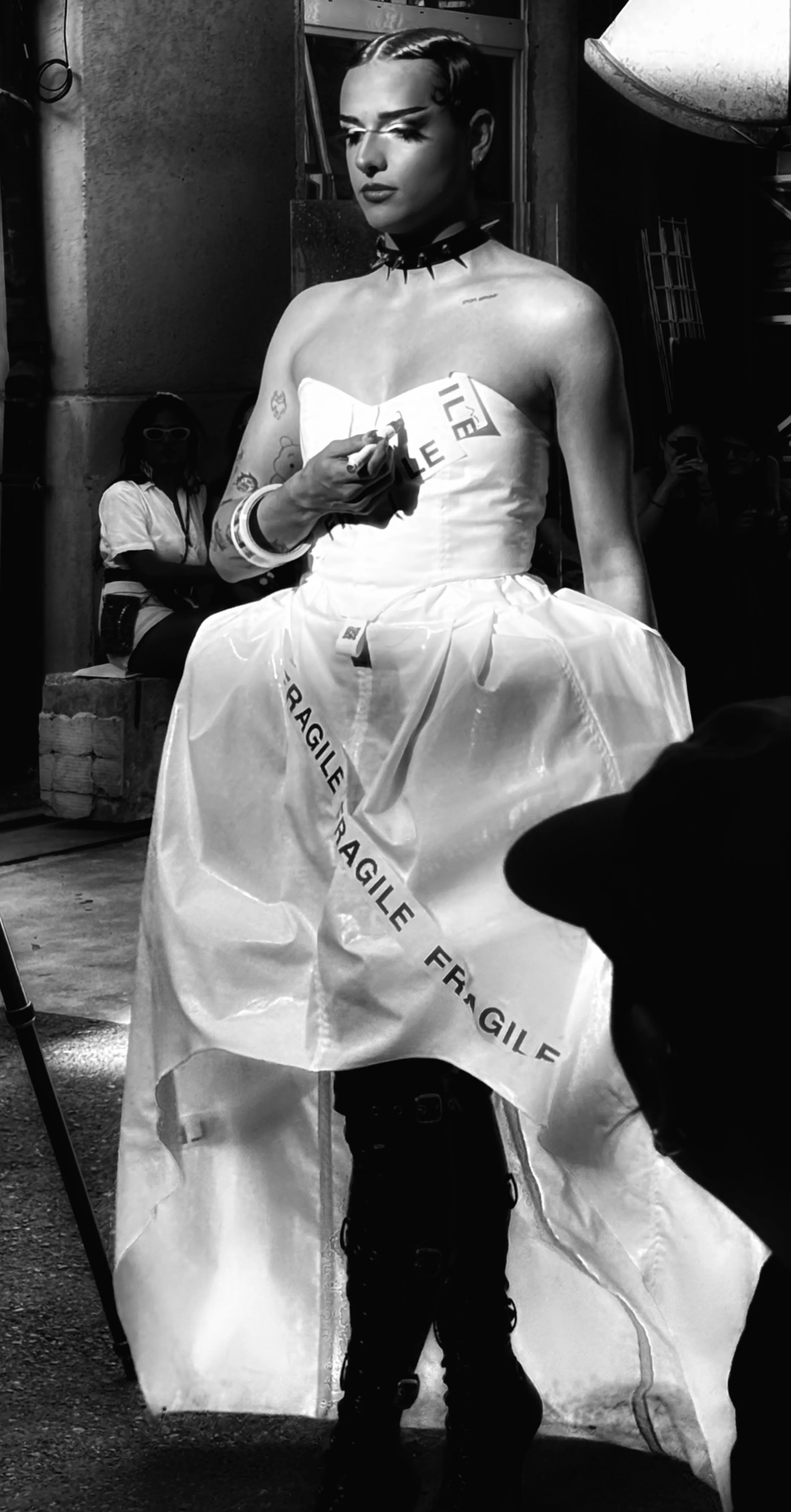
(Ares by © Edie Lou & Co.)
Look 2
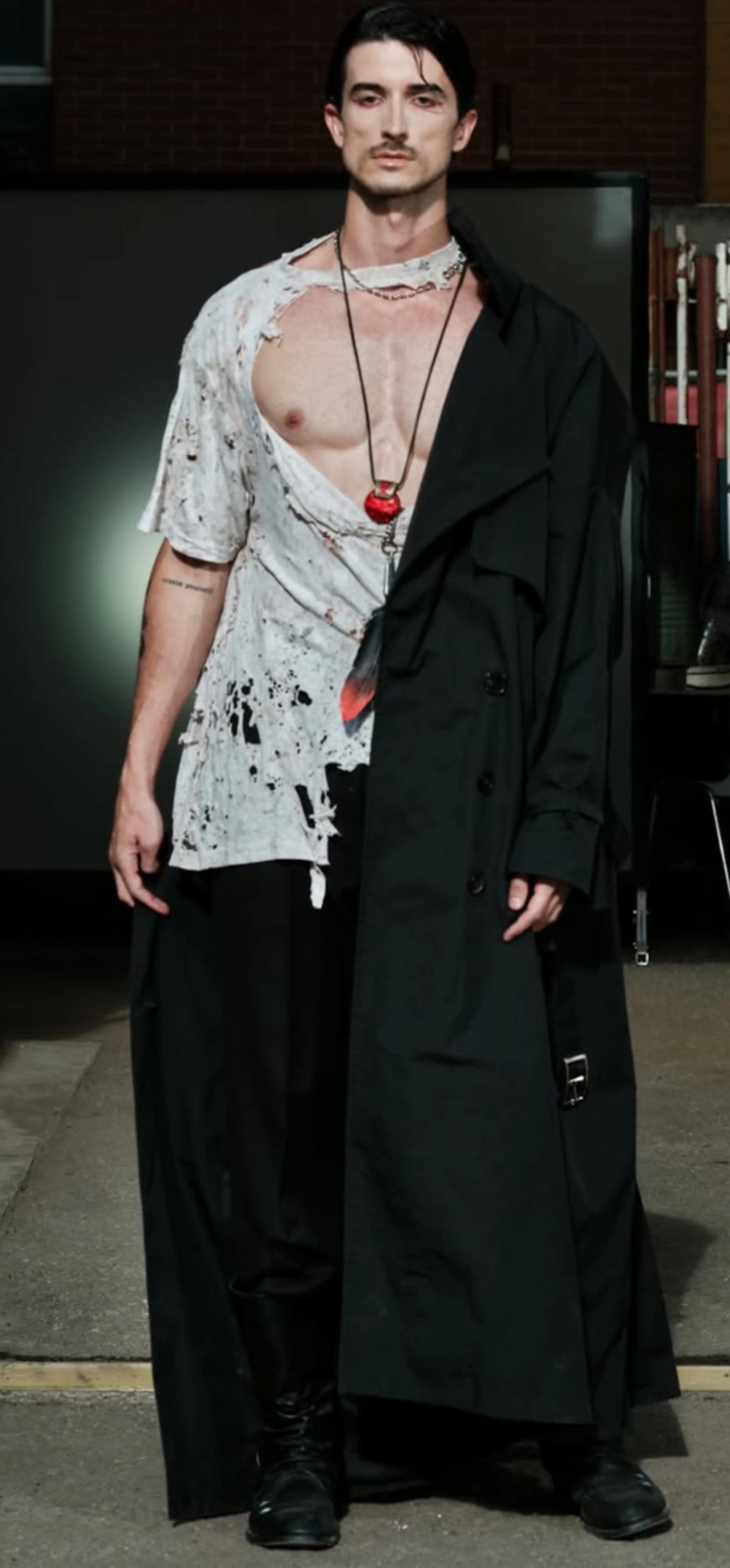
(Andrea by original picture: Vanessa Schacht ©https://www.instagram.com/nezzasphotos/ edited by © Edie Lou))
Look 3
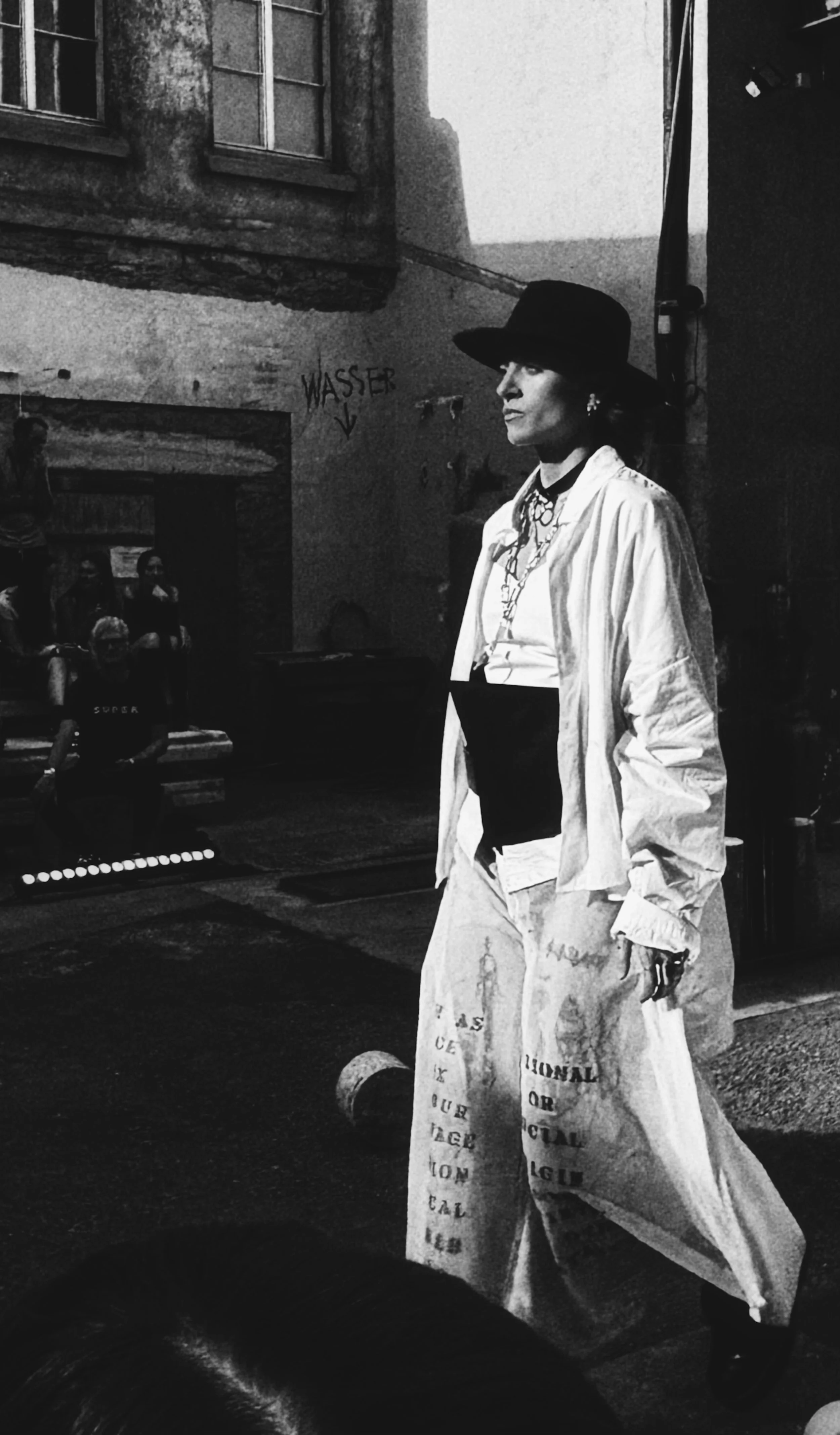
(Camilla by © Edie Lou & Co.)
Look 4

(Kris by © Edie Lou & Co.)
Look 5
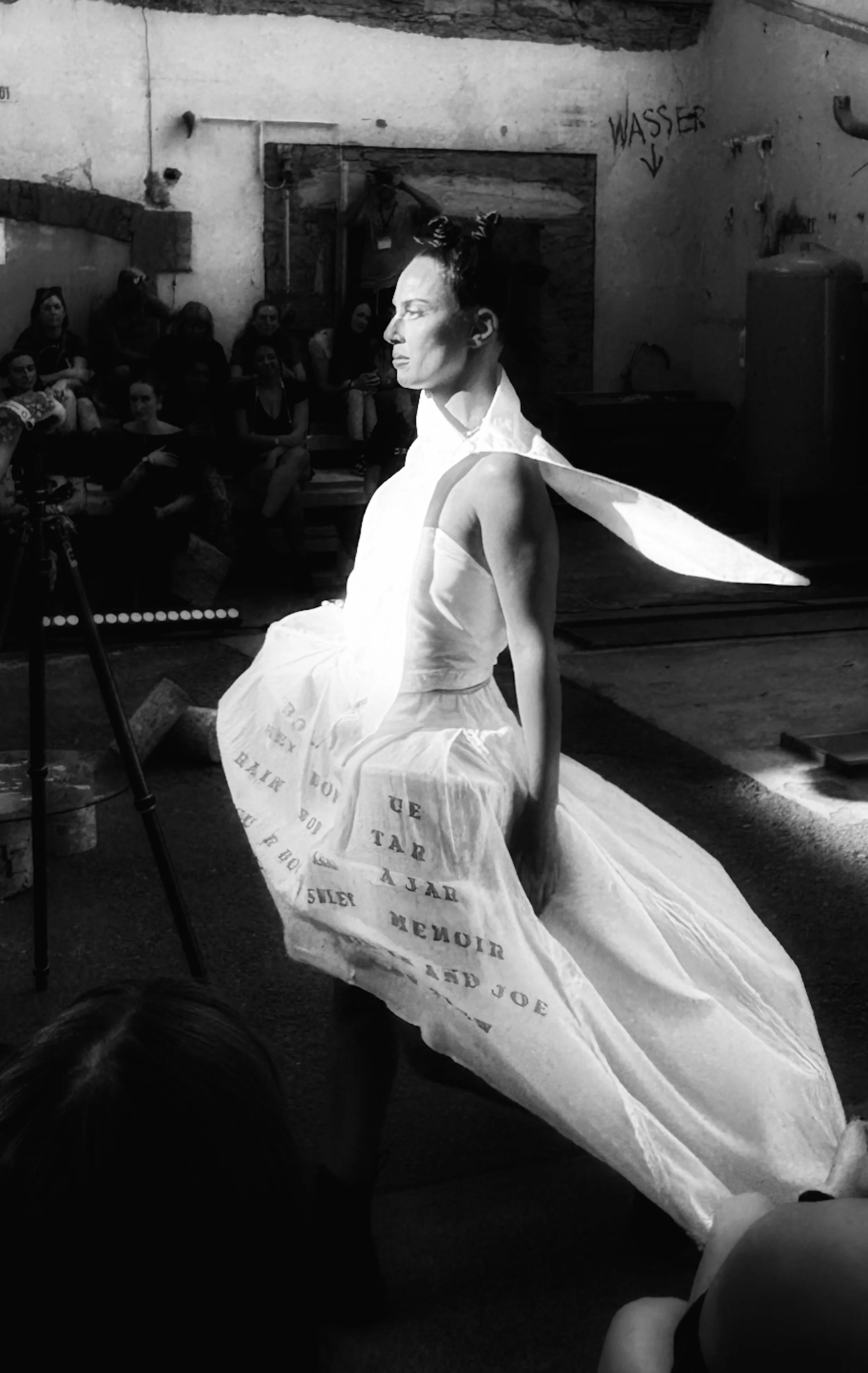
(Valentina by © Edie Lou & Co.)
Look 6
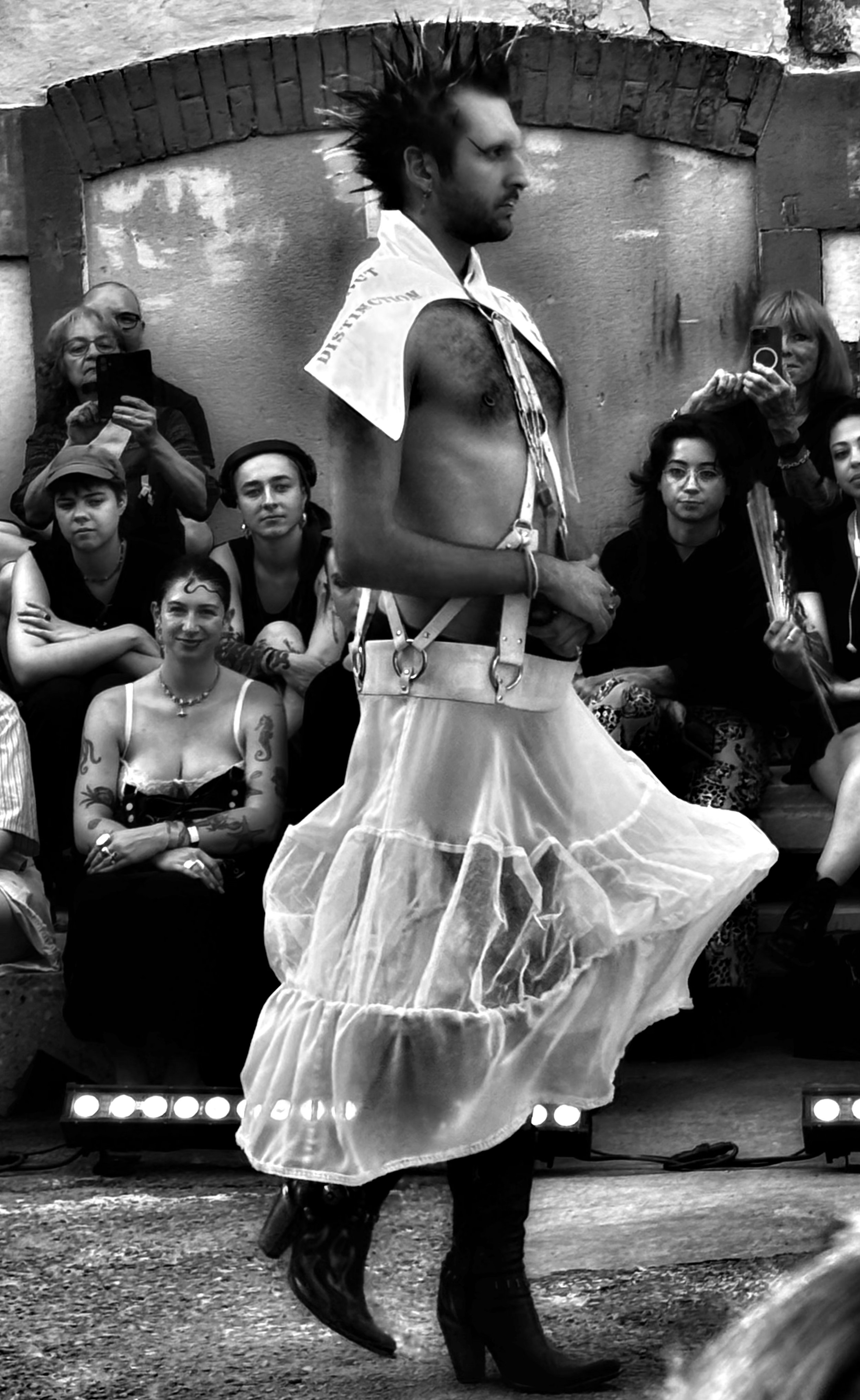
(Edwin by ©Edie Lou & Co.)
Look 7
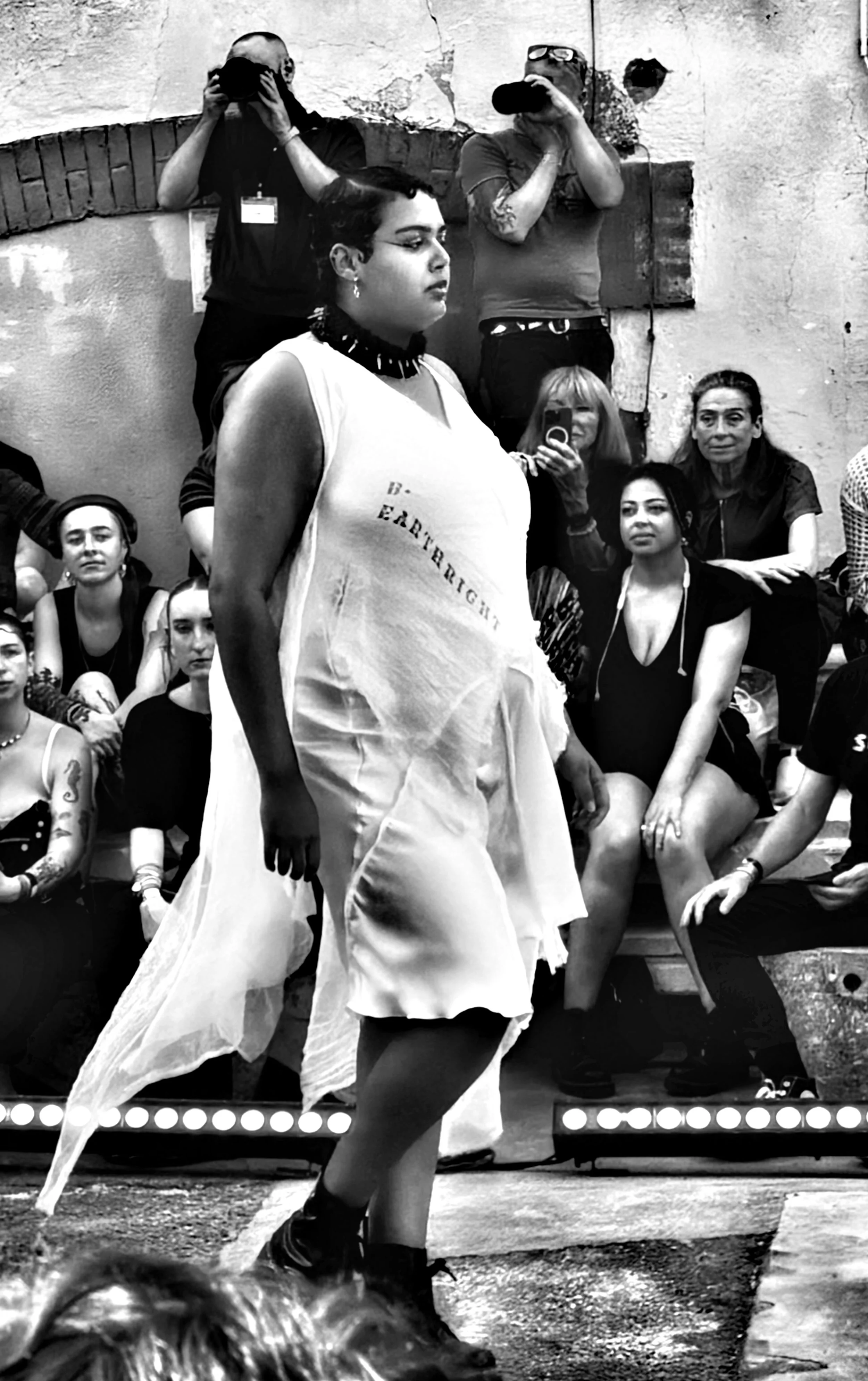
(Janna by © Edie Lou & Co.)
Look 8

(Sherry by original picture: Anatoliy Katselko © https://www.instagram.com/akakakakakakakakakak.ak/ edited by © Edie Lou)
Look 9
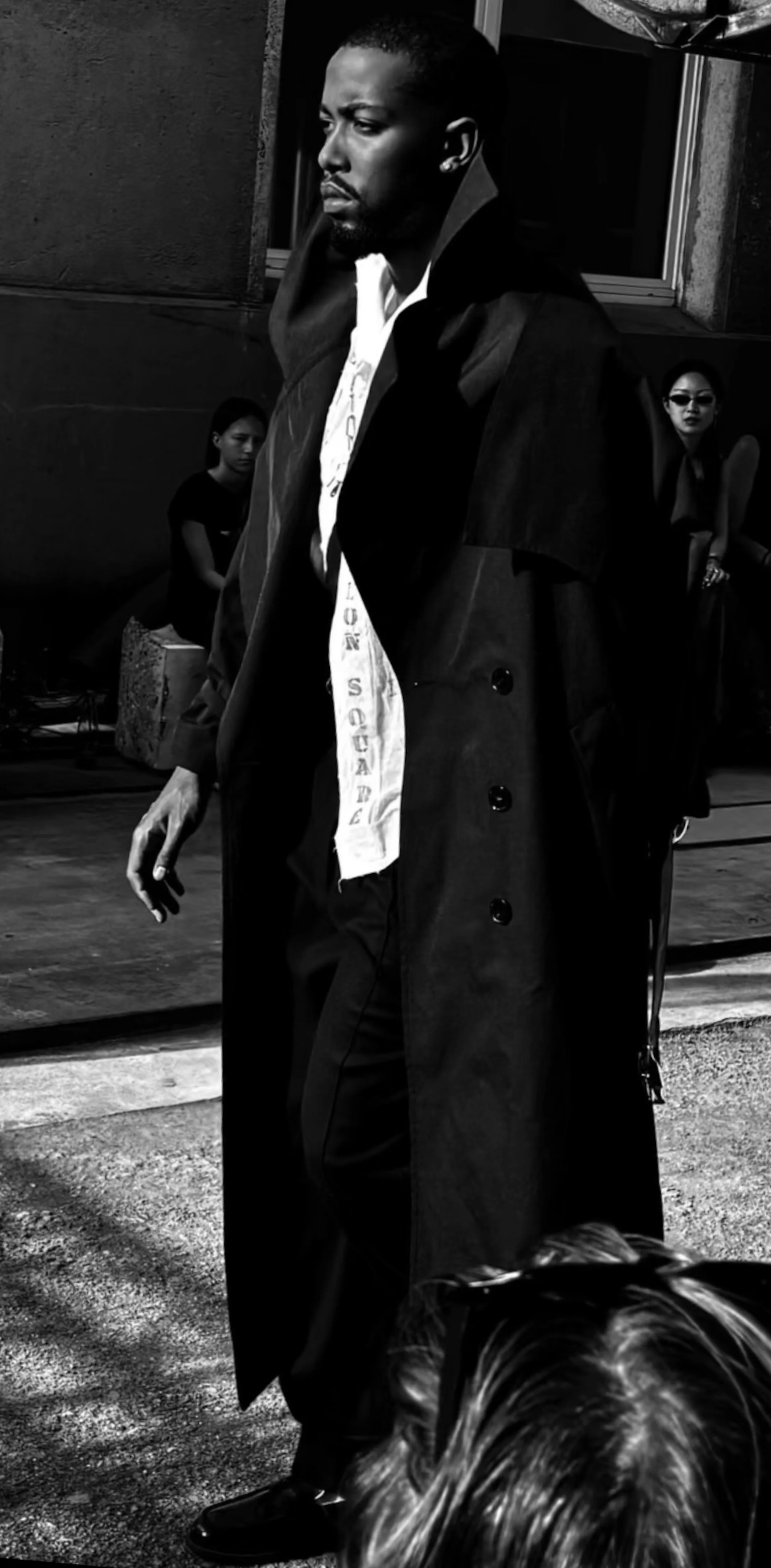
(Gabriel by © Edie Lou & Co.)
Look 10

(Julianna by original picture © Anatoliy Katselko https://www.instagram.com/akakakakakakakakakak.ak/ edited by © Edie Lou)
Other brands & creatives
Maniega: @maniega
Romy Hood: @romyhood
Sarah Bounab: @sarah.bounab
Cece Serie: @cece_serie
Xaum: @xaum_official
Noerah: @noerah.world
Anastasia Bull: @anastasia.bull
AUDA: @auda_by_aurora
OMG Franck: @omg_franck
Jewelry collaboration for look 1,2,3,4,7: Brian @thelygophilist
Models presenting ELS
Ares: @aresismyname
Andrea: @andreaninoragonesi
Camilla: @camilladxntxr
Kris: @kris.bestager.model
Valentina: @valentinamorenaa
Edwin: @milfbear
Janna: @janna.massiel
Sherry: @sherry.huy
Gabriel: @gavlocii
Julianna: @juliannatothmodel
Hair & makeup: @__glamchemy@shawtieflafleur@wagner.jolie@xo.painted@neferdidi_makeup
@makeupbyselinasophia@makeupbyadriennelopes@oeriginalbeauty
@make.upbygiana@binyshands@mima.noire
Styling & dressing: @biankadorinamoos
@delailahkingofficial@emmacraurich@lady.drops
@bignanives@olivedellove@jemimagmuer@s.claudiiaa@mmelvicc@joycy.e@222ninabina
@schlofmangel@eva_isabel.b@rekaxgx
Sound curation: @cedricelisabethmusic
Movement direction: @baptisteberrin
Scenography: @alessandrahofmann_